

Index
Present Simple
Future Simple
Past Simple
Present Continuous
Future Continuous
Past Continuous
Present Perfect Simple
Present Perfect Future
Present Perfect Continuous
Past Perfect Simple
Past Perfect Continuous
Future Perfect Simple (Table)
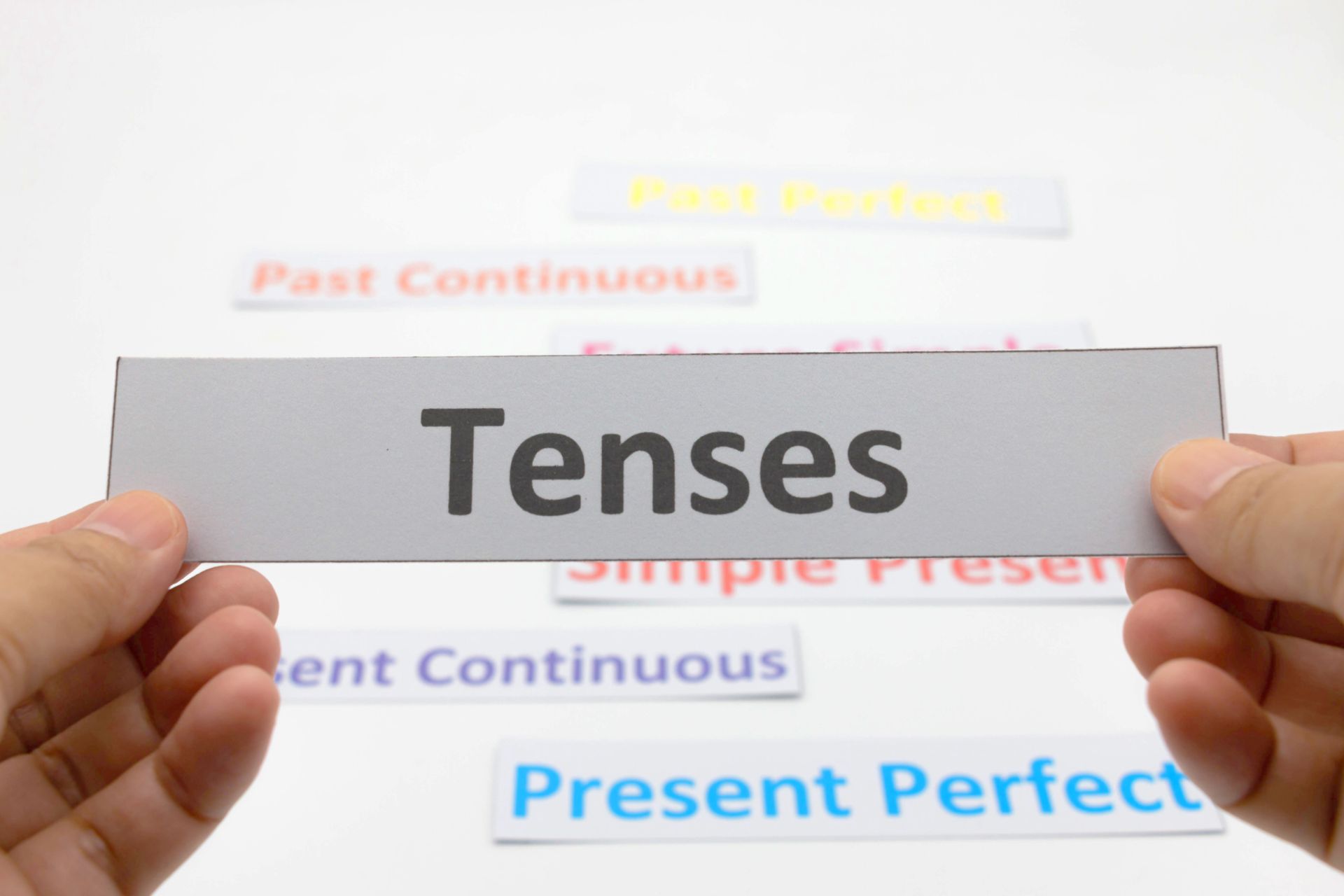
While learning English, Tenses play an important role. Tenses help convey the timing of actions or states, indicating when they occur.
Tenses are mainly of 4 types
- Simple Tenses
- Continuous Tenses
- Perfect Tenses
- Perfect Continuous Tenses
Simple Tenses
The simple tenses are used to show permanent characteristics of people and events or what happens regularly, habitually or in a single completed action.
- Present Simple: Describes habitual actions or general truths.
Example: She reads books every day. - Past Simple: Describes actions or states that were completed in the past.
Example: He visited Paris last summer. - Future Simple: Describes actions that will happen in the future.
Example: They will start a new project next week.
Continuous Tenses
The continuous tenses are used when talking about a particular point in time.
- Present Continuous: Describes actions happening right now or ongoing actions.
Example: She is reading a book at the moment. - Past Continuous: Describes actions that were ongoing at a specific time in the past.
Example: He was watching TV when I called him. - Future Continuous: Describes actions that will be ongoing at a specific time in the future.
Example: They will be traveling to Europe next month
Perfect Tenses
Sometimes you need to provide extra details about an action or state, which is where the perfect tenses come in. Perfect tenses are used to connect a present action or situation with a specific point in the past. They often highlight actions that have occurred up to now and are still ongoing, or they can emphasize that something happened but is no longer the case. The choice of perfect tense depends on whether the action has concluded or is still continuing.
- Present Perfect Simple: Describes actions or situations that started in the past and continue to the present or actions completed at an unspecified time.
Example: She has lived here for five years. - Past Perfect Simple: Describes actions that were completed before a specific point in the past.
Example: By the time he arrived, we had already left. - Present Perfect Future: Describes actions that will be completed before a specific point in the future.
Example: By next year, I will have finished my degree
Perfect Continuous Tenses
- Present Perfect Continuous: Describes actions that started in the past and are still continuing or have recently stopped, with emphasis on the duration.
Example: She has been studying for three hours. - Past Perfect Continuous: Describes actions that were ongoing in the past up until another point in the past.
Example: They had been working on the project before the deadline was extended. - Future Perfect Continuous: Describes actions that will be ongoing up until a certain point in the future.
Example: By next month, he will have been working here for ten years
To sum up, knowing how to use English tenses helps you talk about when things happen clearly. Whether you’re discussing everyday routines, ongoing activities, or events that are completed, each tense has its purpose. Understanding and using these tenses correctly will improve your ability to communicate ideas effectively and make your English more accurate and engaging. Keep practicing, and you’ll get better at using tenses to express yourself!
Here’s a Table summarizing different tenses, their forms, usage, and Examples.
| Tense | Usage | Form | Example |
|---|---|---|---|
| Present Simple | Habitual actions, general truths | Base verb | She reads every day. |
| Present Continuous | Ongoing actions happening now | am/is/are + [verb+ing] | She is reading right now. |
| Past Simple | Completed actions in the past | [Verb+ed] or [irregular verbs] | He visited Paris last summer. |
| Past Continuous | Ongoing actions at a specific time in the past | was/were + [verb+ing] | He was watching TV when I called. |
| Present Perfect Simple | Actions started in the past and continue to present or completed at an unspecified time | has/have + [past participle] | She has lived here for five years. |
| Present Perfect Continuous | Actions that started in the past and continue to the present or recently stopped, emphasizing duration | has/have been + [verb+ing] | She has been studying for three hours. |
| Past Perfect Simple | Actions completed before a specific point in the past | had + [past participle] | By the time he arrived, we had already left. |
| Past Perfect Continuous | Actions ongoing in the past up until another point in the past | had been + [verb+ing] | They had been working on the project before the deadline was extended. |
| Future Using Simple Present | Scheduled events or timetables | [Base verb] | The train leaves at 6 PM |
| Future Using Present Continuous | Actions planned for the future | am/is/are + [verb+ing] | I am meeting her tomorrow. |
| Future Using Present Perfect Simple | Actions that will be completed before a specific future point | will have + [past participle] | By next year, I will have finished my degree. |
| Future Using Present Perfect Continuous | Actions that will be ongoing up until a specific future point | will have been + [verb+ing] | By next month, he will have been working here for ten years. |
| Future Using “Going to” | Planned actions or predictions | am/is/are going to + [base verb] | They are going to start a new project. |
| Future Using “Shall/Will” | Decisions, offers, predictions | shall/will + [base verb] | We will go to the park tomorrow. |